AR in Education and Training

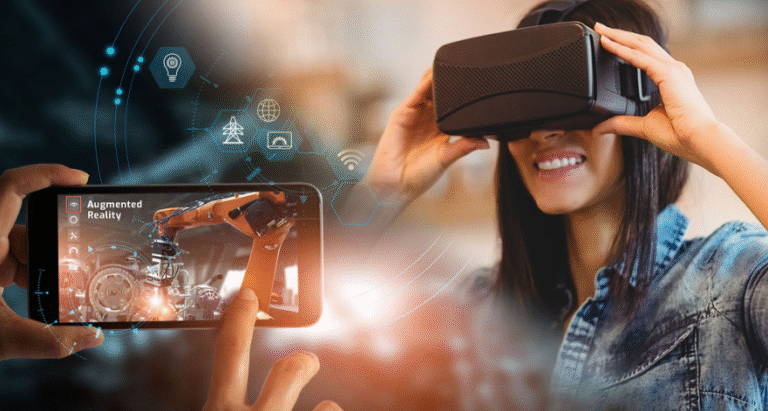
Augmented Reality (AR) is increasingly recognized as a transformative tool in education and training. Its ability to create immersive experiences enables learners to engage with content in unprecedented ways. By facilitating interactive simulations, AR fosters deeper understanding and retention of complex subjects. However, the implications of these advancements extend beyond mere engagement. As AR technology evolves, it raises critical questions about its long-term impact on learning methodologies and outcomes. What changes might we anticipate in traditional educational frameworks?
The Role of Augmented Reality in Enhancing Learning Experiences
As educators increasingly seek innovative methods to engage students, augmented reality (AR) emerges as a transformative tool that can significantly enhance learning experiences.
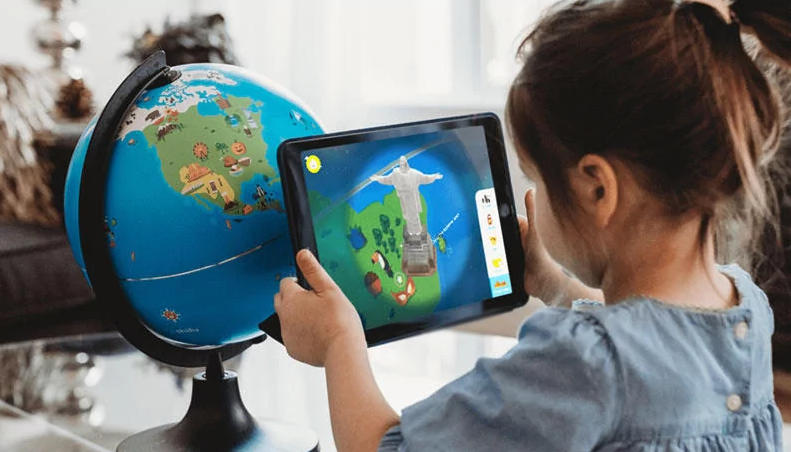
Through immersive storytelling, AR captivates learners, allowing them to explore complex concepts in a tangible way.
Additionally, interactive simulations enable students to experiment and engage with material, fostering deeper understanding and retention.
Ultimately, this revolutionizes educational environments and empowers learners to think critically.
See also: thiramala
Applications of AR in Various Educational Fields
While the potential of augmented reality (AR) in education is vast, its applications across various fields demonstrate its versatility and effectiveness in enhancing learning outcomes.
In history lessons, AR can transport students to pivotal moments, making events more tangible.
Similarly, AR enriches science experiments by visualizing complex processes, allowing learners to engage interactively, fostering deeper understanding and retention through immersive experiences.
Benefits of Using AR for Skill Development and Training
Augmented reality (AR) emerges as a transformative tool for skill development and training, particularly in contexts where hands-on experience is critical.
Its capacity for immersive learning fosters deeper engagement, allowing learners to practice skills through real-world simulations.
Future Trends and Innovations in AR Education
With the rapid advancement of technology, the future of AR in education promises to reshape traditional learning paradigms significantly.
Emerging trends indicate a focus on immersive storytelling and interactive simulations, allowing learners to engage deeply with content.
These innovations foster critical thinking and creativity, empowering students to explore complex concepts in dynamic environments, ultimately enhancing their educational experiences and preparing them for a rapidly evolving world.
Conclusion
In conclusion, augmented reality stands as a bridge to the future of education, weaving together technology and learning in a vibrant tapestry of innovation. By fostering immersive, interactive experiences, AR not only cultivates deeper understanding but also empowers learners to navigate complex concepts with ease. As this technology continues to evolve, it promises to redefine educational landscapes, offering a kaleidoscope of opportunities that cater to diverse learning styles and needs, ultimately transforming the way knowledge is consumed and applied.