Medical Suturing Instruments: What Surgical Teams Should Know About Selection

Suturing represents one of the most fundamental procedures in surgical practice, and the instruments used to perform it directly affect both the efficiency of the procedure and the quality of the final tissue closure. For surgical teams and procurement departments involved in instrument selection, understanding the range of available options and the factors that differentiate quality instruments is essential to supporting good clinical outcomes.
The Range of Instruments Involved in Suturing
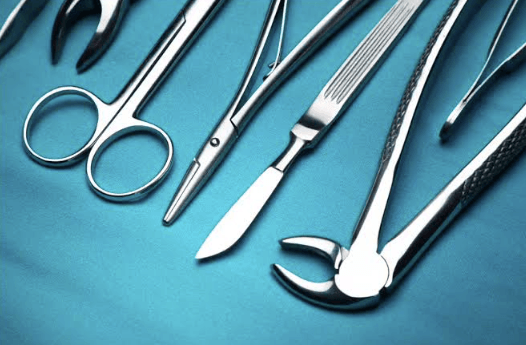
Suturing procedures typically involve a combination of instruments working together, including needle holders for grasping and manipulating the suture needle, forceps for tissue handling, scissors for suture cutting, and specialized hooks or retractors for tissue positioning during closure. Each instrument in this set needs to perform reliably and precisely, since suturing quality depends on the coordinated function of the entire instrument set rather than any single tool in isolation.
Precision and Consistency in Manufacturing
The precision required in medical suturing instrument manufacturing is considerably higher than in most other product categories, given the direct patient safety implications of instrument performance during surgical procedures. Manufacturing tolerances need to ensure that jaw alignment on needle holders, cutting edge sharpness on scissors, and tip geometry on specialized instruments all meet exacting specifications consistently across production batches.
Material Selection for Surgical Reliability
Surgical-grade stainless steel remains the standard material for most reusable suturing instruments, selected for its combination of corrosion resistance, sterilization tolerance, and the ability to maintain sharp edges or precise jaw alignment across repeated use and cleaning cycles. Some specialized instruments may incorporate additional coatings or surface treatments to enhance grip, reduce glare under surgical lighting, or provide additional corrosion protection for particularly demanding surgical environments.
Single-Use Versus Reusable Instrument Considerations
Healthcare facilities increasingly weigh the tradeoffs between reusable instruments, which require sterilization infrastructure and ongoing maintenance but offer lower per-use costs over time, against single-use disposable instruments, which eliminate sterilization requirements and cross-contamination concerns but carry different cost structures and environmental considerations. This decision often depends on procedure volume, available sterilization infrastructure, and specific clinical requirements of the facility.
Regulatory Compliance and Quality Certification
Medical suturing instruments are subject to regulatory oversight in most markets, requiring manufacturers to demonstrate compliance with relevant medical device standards covering material biocompatibility, manufacturing quality systems, and performance validation testing. Procurement teams should verify current regulatory certifications relevant to their operating jurisdiction before finalizing instrument purchasing decisions.
See also: How to Save Money on Home Improvement Projects
Supporting Surgical Team Preferences
Beyond technical specifications, surgical teams often develop preferences for specific instrument designs based on hand feel, weight balance, and tactile feedback during procedures. Facilities that involve surgical staff in instrument evaluation and selection processes, rather than making purchasing decisions purely on cost or specification comparisons, often see better adoption and satisfaction with new instrument sets.
Conclusion
Selecting appropriate medical suturing instruments requires balancing manufacturing precision, material reliability, regulatory compliance, and the practical preferences of the surgical teams who will use them daily. Thorough evaluation across these dimensions supports both operational efficiency and the consistent quality outcomes that surgical procedures depend on.
FAQs
Q1: What instruments are typically included in a suturing instrument set? Common components include needle holders, tissue forceps, suture scissors, and specialized hooks or retractors, working together to support the suturing procedure.
Q2: Should healthcare facilities choose reusable or single-use suturing instruments? This depends on procedure volume, available sterilization infrastructure, and cost considerations specific to each facility, with both options having distinct advantages.
Q3: What regulatory certifications should medical suturing instruments carry? Certifications vary by jurisdiction, but should demonstrate compliance with relevant medical device manufacturing and biocompatibility standards applicable to the facility’s operating region.