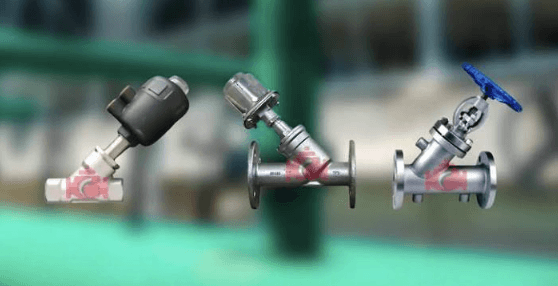
Understanding the Y Port Mechanism and Design Variations

Taking a closer technical look at the y port mechanism itself, beyond its basic clinical purpose, reveals design variations and engineering considerations relevant to understanding why different manufacturers approach this component somewhat differently. This overview explores these mechanical and design nuances.
Basic Mechanical Structure
At its core, a Y port consists of a branching junction in the tubing pathway, typically incorporating some form of access membrane or valve mechanism that allows connection devices to be inserted while maintaining sterility and preventing fluid leakage when not actively in use.
Membrane-Based Access Designs
Certain Y port designs use a self-sealing membrane that a needle-free connector or, in older designs, a needle can penetrate to establish fluid connection, with the membrane material engineered to reseal effectively after the connecting device is removed.
Valve-Based Access Designs
Alternative designs incorporate mechanical valve mechanisms that open when a compatible connector is properly attached and close automatically upon disconnection, offering a different engineering approach to achieving the same fundamental goal of controlled, sterile access.
Anti-Reflux Features in Advanced Designs
Some more sophisticated Y port designs incorporate specific anti-reflux features intended to prevent secondary medication from flowing backward into the primary fluid pathway, addressing a safety consideration particularly relevant when medication compatibility or concentration differences exist between primary and secondary fluids.
Material Considerations for Repeated Access
Given that Y ports are often accessed multiple times throughout a single IV set’s use period, the materials used need to maintain reliable sealing performance across repeated connection and disconnection cycles without degrading or losing effectiveness.
Manufacturer Variation in Design Approach
Different manufacturers sometimes take somewhat different engineering approaches to Y port design, making it worthwhile for facilities standardizing their IV set inventory to understand the specific mechanism used in their chosen product line and ensure staff are appropriately trained on its correct use.
Exploring Design Variation in Detail
For a more thorough technical exploration of these mechanical design variations, reviewing information on y port mechanism design helps clarify the engineering considerations behind this frequently used access component.
See also: Medical Suturing Instruments: What Surgical Teams Should Know About Selection
Frequently Asked Questions
What are the two main mechanical approaches used in Y port design? Designs generally use either a self-sealing membrane that connecting devices can penetrate, or a mechanical valve mechanism that opens and closes with proper connector attachment and removal.
Why do some Y port designs include anti-reflux features? These features prevent secondary medication from flowing backward into the primary fluid pathway, addressing safety considerations particularly relevant when medication compatibility or concentration differences exist.
Why does material durability matter for Y port design? Since Y ports are often accessed multiple times throughout a single IV set’s use period, materials need to maintain reliable sealing performance across repeated connection and disconnection cycles.
Final Thoughts
Exploring the mechanical design variations behind Y port access points reveals the engineering considerations manufacturers navigate in creating reliable, safe secondary access components. Understanding these design nuances supports more informed product evaluation and appropriate staff training for whichever specific design a facility selects.