AR Vs VR Explained

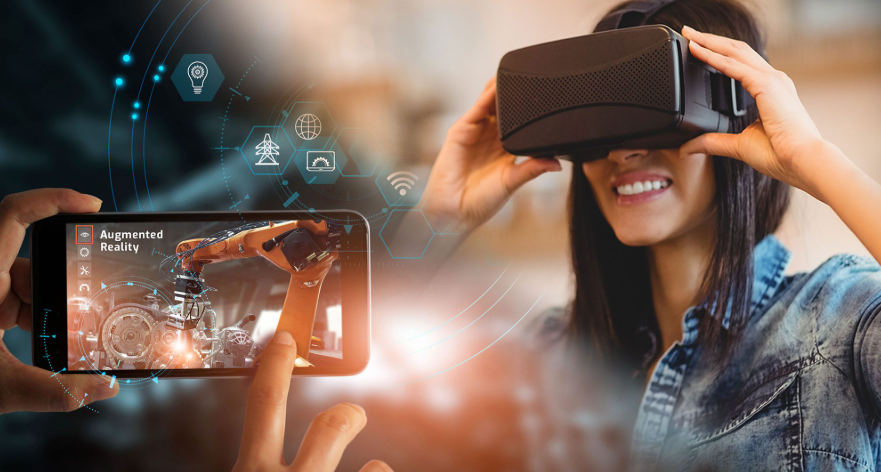
Augmented Reality (AR) and Virtual Reality (VR) represent two distinct yet interconnected realms of digital interaction. AR enhances the real world with digital overlays, while VR immerses users in entirely virtual environments. Each technology offers unique advantages and applications across various sectors. Understanding their differences can reveal their potential impact on industries like healthcare and education. What implications do these technologies hold for the future? The answer may reshape our interactions with the digital landscape.
Understanding Augmented Reality (AR)
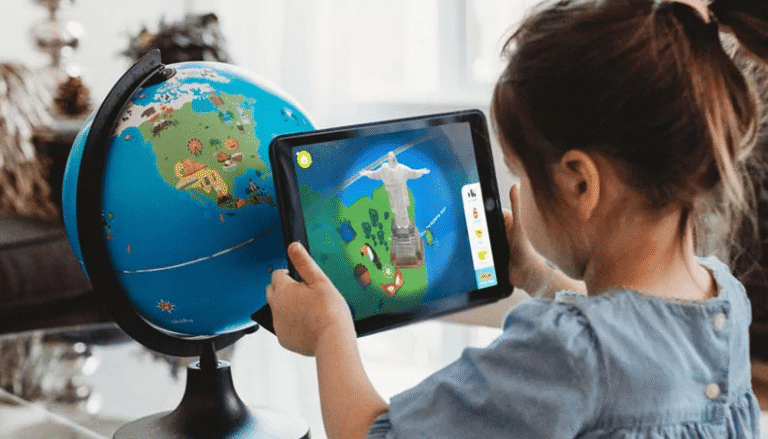
Augmented Reality (AR) has emerged as a transformative technology that overlays digital information onto the real world, enhancing the user’s perception of their environment.
AR experiences allow individuals to interact with both digital and physical elements seamlessly.
See also: thiramala
Understanding Virtual Reality (VR)
While both Augmented Reality (AR) and Virtual Reality (VR) transform user experiences through digital integration, VR creates a fully immersive environment that isolates users from the real world.
By employing advanced user interfaces, VR enables individuals to engage in rich, interactive simulations.
This technology fosters unique immersive experiences, allowing users to explore new dimensions and realities, ultimately expanding their perceptions and freedoms.
Applications of AR and VR
As industries increasingly recognize the potential of immersive technologies, the applications of AR and VR have expanded significantly across various sectors.
In healthcare innovations, these technologies enhance training and patient engagement, while in entertainment, they revolutionize gaming experiences, offering users unparalleled interactivity.
This dynamic shift not only enriches user experiences but also opens new avenues for creativity and engagement in diverse fields.
The Future of AR and VR Technologies
The future of AR and VR technologies promises to reshape how individuals interact with the digital and physical worlds, driven by advancements in hardware and software.
As immersive experiences evolve, users will enjoy unprecedented levels of engagement and interaction.
Future innovations will likely bridge gaps between reality and imagination, creating environments that enhance learning, socialization, and entertainment, ultimately enriching daily life.
Conclusion
In the evolving landscape of technology, AR and VR stand as twin beacons, illuminating distinct paths to enhanced human experience. AR, like a window revealing hidden layers of reality, invites users to explore their surroundings with newfound depth. Meanwhile, VR serves as a portal to uncharted realms, offering transformative experiences that transcend the mundane. As these technologies continue to develop, they will undoubtedly shape the future, merging the familiar with the extraordinary, and redefining our engagement with the world.