Practical Uses of Silica Dispersions Across Different Industries

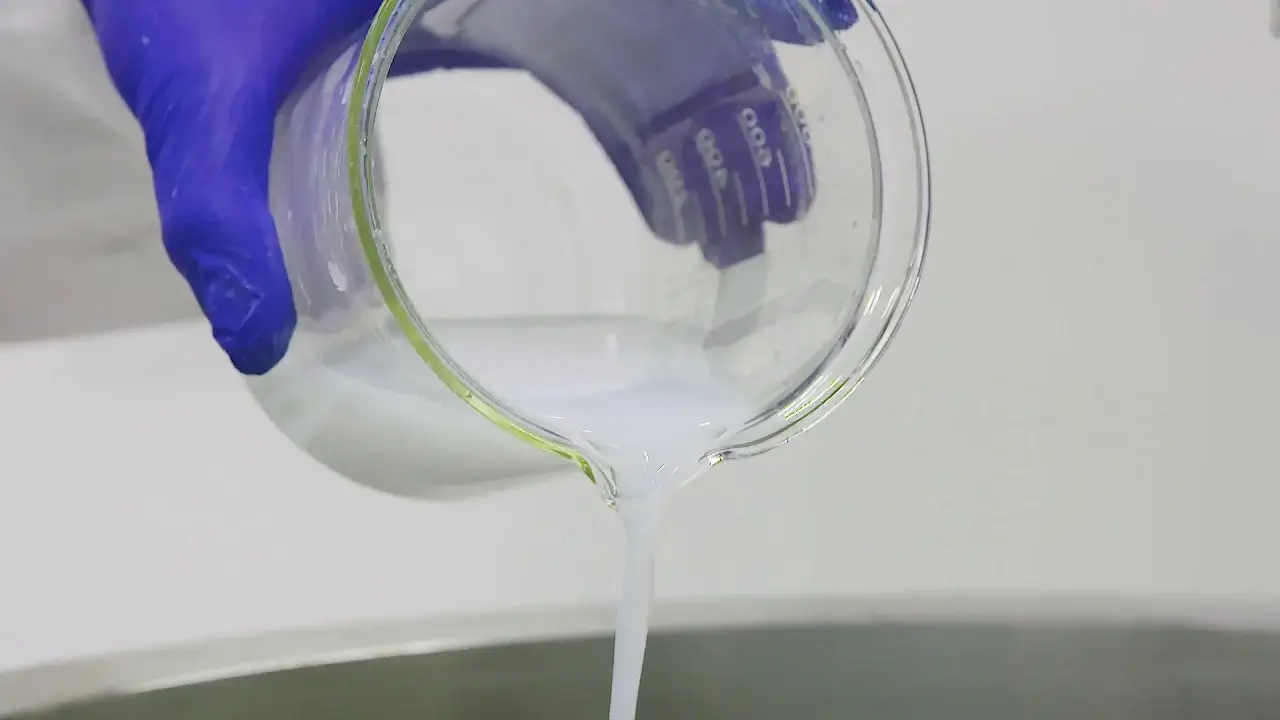
Silica is one of the most widely investigated inorganic materials because it can be used in numerous industrial applications. When extremely fine silica particles are dispersed in a liquid, the resulting system can provide different processing possibilities from conventional dry powders.
These dispersions can be incorporated into coatings, binders, construction materials, polishing systems, refractories, and other specialized products.
The key to successful use is understanding the relationship between particle characteristics and the requirements of the final application.
Construction and Cement-Related Systems
Silica-based materials can be investigated for use in construction-related formulations.
The fine particles may interact with cementitious or binder systems and influence microstructure and processing behavior.
However, construction formulations are complex, and the appropriate material depends on the intended strength, setting, durability, and processing requirements.
Testing under relevant environmental conditions is therefore important.
Read Also: Numeric Signal Attribution Summary for 963842111, 570008789, 66359766, 8889947861, 2087193260, 692104164
Investment Casting
Investment casting is another area where silica-based binders are important.
In this process, a ceramic shell is built around a pattern before the pattern is removed and metal is cast into the resulting mold.
The binder needs to provide suitable adhesion, stability, and processing characteristics during shell formation.
Silica sol technology can be evaluated according to the requirements of the ceramic system and casting process.
Refractory Applications
Materials used in high-temperature environments need to maintain suitable characteristics during heating.
Silica-based binders can be considered for refractory formulations, where the interaction between binder, aggregate, and other components determines final performance.
Different particle sizes and concentrations can produce different results, so application-specific testing remains important.
Coatings
In coatings, fine silica can influence physical characteristics such as surface behavior and rheology.
Water-based and other coating systems may require careful control of particle dispersion and compatibility.
The final coating must be evaluated for appearance, adhesion, durability, and application behavior.
Polishing Applications
Fine particles are also relevant to polishing technologies.
Particle size and uniformity are particularly important because polishing performance depends on the interaction between the abrasive material and the surface being treated.
Different surfaces require different levels of abrasiveness and process control.
Paper and Surface Treatment
Silica-based materials may also be considered in paper and surface-treatment processes.
Their fine particle structure can contribute to specific surface characteristics depending on the formulation and application.
The correct grade depends on the required surface properties, processing method, and substrate.
Chemical and Catalyst-Related Uses
Silica materials can also serve as components or supports in chemical processes.
Their surface characteristics can make them relevant to applications where high surface area and controlled particle properties are important.
Specialized chemical applications may require strict control of particle size, purity, surface chemistry, and dispersion stability.
Choosing Materials According to Application
One of the biggest mistakes in industrial material selection is assuming that a single grade can perform equally well in every application.
Instead, manufacturers should define their specific requirements.
Factors may include:
- Particle size
- Solids concentration
- Surface chemistry
- pH
- Viscosity
- Stability
- Compatibility
- Thermal behavior
- Processing method
These factors should be evaluated together.
Manufacturers researching colloidal silica applications can use application-focused technical information to understand where silica dispersions may fit within different industrial processes.
Testing and Optimization
Laboratory testing is essential when introducing a new material.
The material should first be evaluated in a controlled formulation.
Researchers can then examine how it affects processing and final properties.
If the results are suitable, pilot-scale testing can help confirm whether the formulation remains stable when production volume increases.
Quality Control
Industrial applications require consistent raw materials.
Quality-control programs may monitor particle characteristics, concentration, pH, viscosity, and other relevant parameters.
Customers should also establish incoming inspection procedures appropriate to their application.
This can help identify unexpected batch variations before they affect production.
Frequently Asked Questions
1. Which industries use silica dispersions?
Potential applications include coatings, construction, investment casting, refractories, polishing, paper processing, and specialized chemical systems.
2. Does every application require the same silica grade?
No. Different applications can require different particle sizes, concentrations, surface characteristics, pH levels, and stability requirements.
3. Why is application-specific testing necessary?
The same material can behave differently in different formulations. Testing helps determine whether the selected grade provides the desired processing and final-product characteristics.
Conclusion
Silica dispersions can support a wide range of industrial technologies, but their successful use depends on careful material selection and formulation development. Particle size, surface chemistry, concentration, stability, and compatibility all influence how a product performs.
Manufacturers can achieve more predictable results by defining application requirements, conducting laboratory trials, validating production processes, and maintaining appropriate quality controls.