Maintaining Reliable Temperature Control in Industrial Enclosures

Introduction
Industrial electrical equipment often operates in environments where temperature control is essential for dependable performance. Control panels, automation systems, power distribution equipment, and communication devices generate heat during normal operation. When this heat accumulates inside an enclosure, internal temperatures can rise beyond the recommended operating limits of sensitive components.
Excessive heat may contribute to equipment faults, shortened component life, unexpected shutdowns, and higher maintenance expenses. Dust, humidity, and contaminants in the surrounding environment can create additional challenges, particularly in factories and outdoor installations.
A dedicated cooling solution helps maintain suitable conditions inside electrical enclosures while protecting the equipment from external environmental influences. Understanding how enclosure cooling works, what affects system performance, and how to select the appropriate configuration can help facility managers improve equipment reliability and reduce operational risk.
Why Electrical Enclosures Need Dedicated Cooling
Electrical cabinets are designed to protect components from physical contact, dust, moisture, and other environmental hazards. However, an enclosure can also trap the heat generated by equipment installed inside it.
Heat-producing components may include variable frequency drives, power supplies, transformers, programmable logic controllers, and industrial communication equipment. The amount of heat depends on equipment efficiency, workload, installation density, and operating conditions.
If the internal temperature rises too high, electronic components may experience accelerated aging or operate outside their recommended specifications. Some equipment may reduce its output, trigger alarms, or shut down to prevent damage.
Opening a cabinet door or relying on general room ventilation is not always an appropriate solution. These methods may expose internal components to contamination or fail to provide sufficient cooling in a hot industrial environment.
A dedicated enclosure cooling system provides a controlled way to remove internal heat while maintaining the required level of environmental protection.
How a Cabinet Cooling System Works
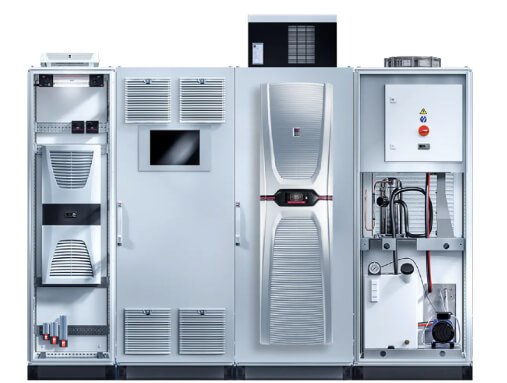
A cabinet cooling system typically transfers heat from the enclosure to the surrounding environment through a refrigeration cycle. Although configurations vary, many systems use a compressor, evaporator, condenser, expansion device, fans, and temperature controls.
The evaporator absorbs heat from the cabinet’s internal air. A refrigerant carries that heat through the refrigeration circuit, and the condenser releases it into the surrounding environment. The cycle continues as required to maintain the selected temperature.
Internal and external air circuits are generally separated in designs intended to protect sensitive equipment from outside contaminants. This separation is particularly useful in dusty manufacturing facilities, where drawing untreated ambient air directly into a cabinet could introduce unwanted particles.
A properly selected cabinet air conditioner can therefore help maintain stable internal conditions without depending entirely on the temperature or cleanliness of the surrounding air.
Actual performance depends on the unit’s cooling capacity, ambient temperature, enclosure construction, heat load, and installation conditions.
Common Applications Across Industrial Facilities
Factory Automation
Automated production lines rely on electrical cabinets to house controllers, drives, relays, and communication devices. These components may operate for extended periods, particularly in continuous manufacturing environments.
Temperature control helps maintain conditions within equipment manufacturers’ recommended ranges. It can also reduce the likelihood of heat-related interruptions that affect production schedules.
Cooling requirements should be calculated according to the installed components and their operating patterns. Cabinets containing multiple drives may require a different solution from those housing only low-power control equipment.
Power Distribution and Electrical Control
Power distribution cabinets and control panels may contain components that generate significant heat under load. The internal temperature can increase further when equipment is installed in a compact enclosure or operates in a warm location.
Dedicated cooling helps manage the resulting thermal load. Engineers should consider component losses, enclosure dimensions, ventilation restrictions, and the expected outdoor or indoor ambient temperature when selecting a unit.
Electrical safety, maintenance access, and compliance with relevant installation standards should also be included in the design process.
Telecommunications and Network Equipment
Communication equipment often requires stable operating conditions to maintain dependable connectivity. Cabinets installed outdoors or in remote locations may face changing ambient temperatures, direct sunlight, dust, and limited access for maintenance.
Cooling equipment can help protect the electronics from excessive internal heat. The system should be selected for the actual climate, enclosure design, and heat generated by the installed devices.
Remote monitoring and alarm functions may also be valuable where technicians cannot inspect the cabinet frequently.
Outdoor Industrial Installations
Outdoor electrical enclosures may experience large temperature fluctuations throughout the day. Solar radiation can raise cabinet temperatures even when the electrical load remains relatively constant.
In these environments, cooling capacity must account for both internal heat generation and the effects of external weather conditions. Suitable mounting arrangements, weather protection, and correct enclosure sealing are also important.
The selected equipment should operate within its specified ambient temperature range and be appropriate for the installation environment.
Important Factors When Selecting Cooling Equipment
1. Calculate the Heat Load
The first step is to estimate how much heat the enclosure must remove. This includes heat generated by internal electrical components and any additional heat entering from the surrounding environment.
Component manufacturers’ specifications can help establish the internal heat load. Engineers should also account for enclosure dimensions, insulation, solar exposure, and ambient temperature.
An undersized unit may struggle to maintain the desired temperature during peak operation. Excessive oversizing can increase purchase and operating costs, so cooling capacity should be matched to the actual application.
2. Understand Ambient Temperature Conditions
Cooling equipment must be suitable for the environment in which it will operate. A system installed in a hot factory or outdoor cabinet may face conditions that differ substantially from those in a temperature-controlled room.
Buyers should review the unit’s rated operating range and cooling performance at the expected ambient temperature. The maximum stated cooling capacity may not be available under every operating condition.
Where temperatures fluctuate considerably, engineers should use realistic design conditions rather than average weather figures alone.
3. Maintain Environmental Protection
Industrial enclosures may need protection against dust, moisture, oil mist, or other contaminants. The cooling arrangement should preserve the enclosure’s required protection level.
Systems that keep internal and external air separate can be beneficial when the surrounding environment is contaminated. However, the protection level of the complete installation depends on the cooling unit, mounting method, seals, cable entries, and enclosure design.
The relevant ingress protection requirements should be checked before selecting the equipment.
4. Consider Energy Efficiency
Cooling systems consume electricity, so energy performance affects long-term operating expenses. Efficiency depends on the refrigeration design, compressor operation, fans, temperature settings, maintenance, and operating environment.
Businesses should compare available technical specifications and consider expected annual operating hours. Avoiding unnecessary cooling and maintaining appropriate temperature settings can also help reduce energy consumption.
Energy efficiency should be evaluated alongside reliability and the ability to maintain the required internal temperature.
5. Review Maintenance Requirements
Regular maintenance supports reliable cooling performance. Dust buildup, blocked airflow, damaged seals, and neglected components can reduce efficiency or cause overheating.
Before purchasing a system, businesses should review access to filters or other serviceable parts, inspection requirements, replacement component availability, and technical support.
A preventive maintenance schedule should be established according to the manufacturer’s recommendations and the conditions at the installation site.
Installation Practices That Improve Performance
Even suitable cooling equipment can underperform if it is installed incorrectly. The mounting position should allow the required airflow around the unit and prevent the discharge of warm air from being drawn directly back into the cooling intake.
The enclosure should be properly sealed, and cable entries should be installed according to the required protection level. Engineers should also verify that the cooling unit’s dimensions and mounting arrangement are compatible with the cabinet.
Internal component layout matters as well. Heat-generating equipment should be arranged with appropriate clearances so that hot spots do not develop around sensitive components.
Temperature sensors should be positioned according to the equipment design, and alarm settings should reflect the operating limits of the installed devices. Commissioning tests should confirm that the system maintains acceptable temperatures under representative operating loads.
Common Cooling Problems and Their Prevention
One common issue is selecting equipment based only on cabinet size. Enclosure volume alone does not determine the required cooling capacity because two cabinets of identical dimensions may contain very different heat loads.
Another problem is ignoring the effect of ambient temperature. A unit that performs adequately in a moderate environment may be insufficient in a hot outdoor installation.
Poor maintenance can also reduce performance. Blocked airflow paths, damaged seals, and neglected inspections may cause temperatures to rise gradually without an obvious immediate failure.
Preventive measures include accurate heat-load calculations, appropriate equipment selection, correct installation, regular inspection, and temperature monitoring. These practices help identify problems before they interrupt production.
Frequently Asked Questions
1. Why is a dedicated cooling unit used for electrical cabinets?
A dedicated cooling unit removes heat generated by electrical and electronic components while helping maintain the enclosure’s environmental protection. It is particularly useful when ambient air is too hot, dusty, or otherwise unsuitable for direct ventilation.
2. How do I determine the cooling capacity required for an electrical cabinet?
Start by calculating the heat generated by the installed components. Then consider ambient temperature, solar exposure, enclosure insulation, dimensions, and the desired internal temperature. The cooling unit should be selected using verified performance data under the expected operating conditions.
3. How often should cabinet cooling equipment be maintained?
Maintenance frequency depends on the equipment manufacturer’s recommendations and the installation environment. Regular inspections should check airflow, cleanliness, seals, alarms, and general operating performance. Dusty or demanding environments may require more frequent attention.
See also: Choosing Thermal Processing Equipment for Growing Glass Businesses
Conclusion
Temperature management is an important part of protecting industrial electrical equipment. Heat generated by drives, controllers, power supplies, and other components can create reliability problems when it is not properly controlled.
A suitable enclosure cooling solution helps maintain operating conditions, supports equipment protection, and reduces the risk of heat-related interruptions. Effective selection requires an accurate heat-load calculation, an understanding of ambient conditions, appropriate environmental protection, and attention to energy efficiency and maintenance.
By combining suitable cooling equipment with correct installation and preventive inspections, industrial facilities can improve the reliability of their electrical systems and support more consistent operations.